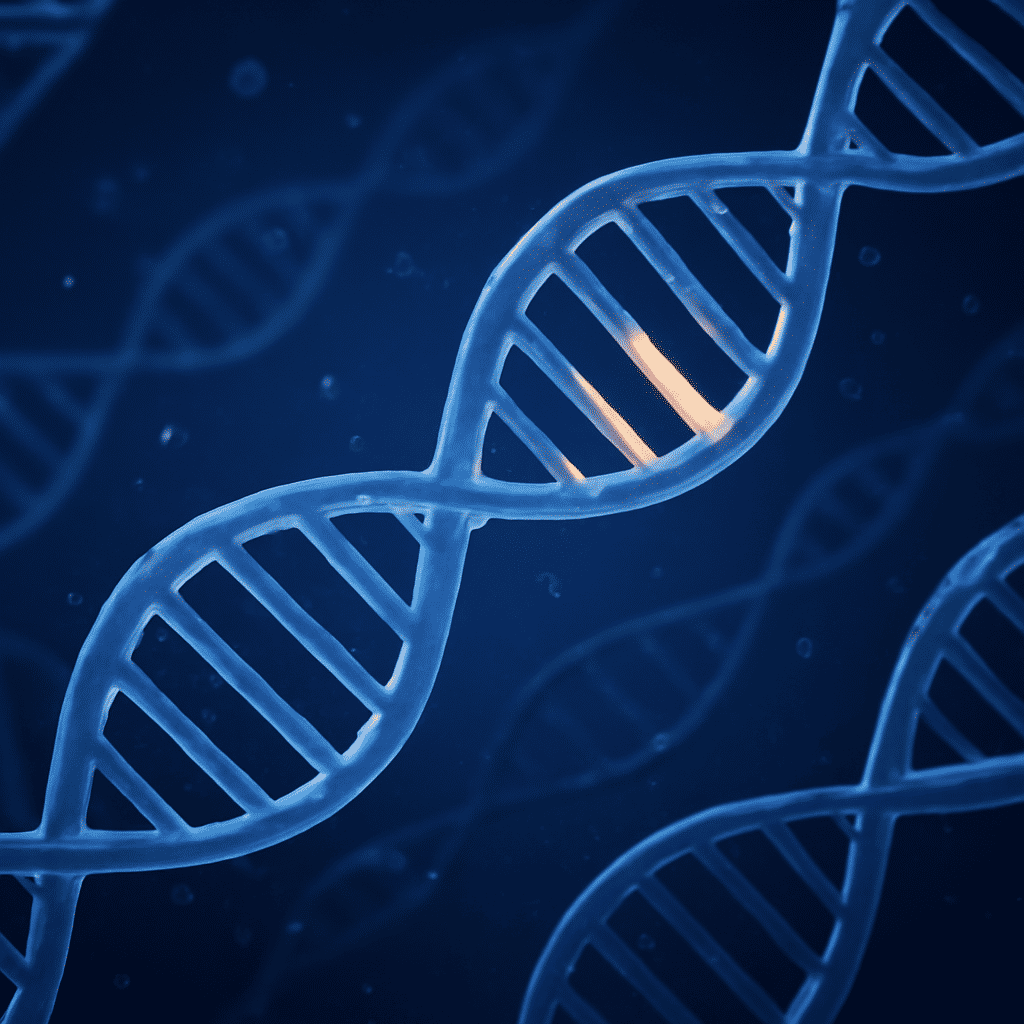
The exploration of quantum mechanics has traditionally been confined to the realms of physics and chemistry. However, recent scientific inquiry is shedding light on how these principles might also play a role in biological processes, specifically within the intricate dance of DNA mutations. Understanding the quantum effects in DNA mutations could herald a new era in genetic research and the comprehension of various diseases.
DNA, the molecule of life, is famously characterized by its double helix structure, which is composed of pairs of nucleotides. These nucleotides are the cornerstone of genetic information, and alterations in their sequence are known as mutations. Mutations can be the driving force behind evolution, but they also can lead to genetic disorders and diseases such as cancer. Until recently, most research on DNA mutations has focused on chemical interactions and environmental factors. However, the introduction of quantum mechanics into this domain provides an intriguing new dimension to consider.
At the heart of this exploration are phenomena such as quantum tunneling and quantum entanglement, which have been hypothesized to influence genetic mutations. Quantum tunneling allows particles to pass through energy barriers that would otherwise be insurmountable, suggesting that during DNA replication, protons could tunnel from one nucleotide base to another, potentially leading to mutations. While this process occurs on a time and size scale that defies classical explanation, it could contribute to spontaneous mutations that occur without the presence of traditional mutagens.
Quantum entanglement, the phenomenon where particles become interlinked and instantaneously affect one another regardless of distance, may also have implications for DNA processes. Researchers propose that this quantum feature could play a part in the coordination of genetic information transfer within the DNA molecule, impacting how mutations propagate and are repaired.
The implications of quantum effects in DNA mutations are vast. If quantum mechanics significantly contributes to genetic mutations, it could revolutionize our understanding of genetic variability and the underlying mechanisms of hereditary diseases. For instance, tackling diseases that currently have no clear environmental cause or treatment options could become possible by targeting the quantum processes at play.
Moreover, the application of quantum biology in genetics could lead to significant advancements in personalized medicine. With a deeper understanding of how quantum phenomena affect genetic mutations, medical professionals could potentially predict an individual's predisposition to certain diseases by examining quantum genetic markers. This approach could tailor interventions and treatment plans to a patient's unique genetic makeup, enhancing the efficacy of medical therapies.
While the study of quantum effects in biological systems is still in its infancy, its potential to transform genetic research is vast. The integration of quantum mechanics into biology challenges traditional paradigms and spurs a novel interdisciplinary field that may fundamentally change our approach to understanding life itself. As scientific techniques continue to advance, the promise of uncovering the quantum secrets behind DNA mutations becomes an exciting frontier in the pursuit of knowledge about human health and disease.